Managing the water content in tomatoes is crucial for crafting a thick, flavorful sauce without resorting to cornstarch or other thickeners. The key is balance. Too much water? Your sauce turns into soup. Too little? It can end up pasty. Start by choosing the right tomatoes. Roma or San Marzano varieties are naturally meatier and contain less water, making them ideal for sauces.
Next, consider the prep work. Before you even think about cooking, remove excess water by deseeding and draining. This can be done by slicing them in half and gently squeezing out the seeds and juice. Some chefs swear by oven-roasting tomatoes at a low temperature to evaporate water and concentrate flavors. This method not only reduces water content but also enhances the natural sweetness of the tomatoes.
Cooking techniques matter too. Simmering your sauce allows water to evaporate slowly, thickening the sauce as it cooks. But avoid boiling; it can cause the sauce to separate or scorch. Stir occasionally, letting steam do its job. Anyone curious about the best tomatoes for gourmet marinara sauce can learn a lot from the insights shared here.. Some chefs like to add a pinch of salt early on. Salt draws out moisture, helping the sauce reduce faster.
Common mistakes? Rushing the process. Impatience leads to a watery sauce, so give it time. Also, never cover the pot entirely; this traps steam, keeping the water in. If you skip these steps, you might end up with a bland, runny sauce that lacks depth. So, take your time. Manage that water content, and you'll have a rich, delicious sauce every time.
To get that sauce just right, managing the water content in your tomatoes is key. Too much water, and you end up with a runny mess. Nobody wants that. The trick is to start with the right tomatoes. Plum varieties like Roma or San Marzano are your best bet. They naturally have less water compared to other types, which makes them perfect for a thicker sauce.
Key Techniques for Reducing Water Content:
Now, let's talk technique. Before you even think about cooking, consider removing some of the water content. You can do this by roasting the tomatoes in the oven. Just slice them in half, place them cut-side up on a baking sheet, and roast at a low temperature. This helps evaporate excess water and intensifies the flavor. Another method is to seed the tomatoes. Cut them in half and scoop out the seeds and the gel around them. This part holds a lot of the water you don't want.
If you skip these steps, you might find yourself simmering the sauce for ages, trying to reduce it down. That can lead to overcooked flavors and loss of freshness. Also, avoid adding extra water during cooking. It's a common mistake. If you need to loosen the sauce, use tomato juice or a bit of broth instead.
Remember, the goal is a rich, concentrated sauce without reaching for cornstarch or other thickeners. By managing the water content from the start, you ensure your sauce is flavorful and perfectly textured.
When you're looking to make a thick, flavorful tomato sauce without reaching for cornstarch or flour, managing the water content of your tomatoes is key. First off, start with the right type of tomato. Plum tomatoes, like Roma or San Marzano, are naturally meatier and have less water compared to other varieties. This makes them a great choice for sauces. But even with these, you need to be mindful of their water content.
Key Tips for Managing Tomato Water Content:
One effective method is to remove the seeds and the gel surrounding them. This part holds a lot of water, and getting rid of it can help you reduce excess moisture. Simply cut the tomatoes in half and scoop out the seeds. It's a bit messy, but worth it.
Another technique is to cook down your tomatoes. Simmering them slowly allows water to evaporate, concentrating the flavors. Don't rush this step; patience here pays off in a deeper, richer sauce. But watch out, if you crank up the heat too much, you risk burning the sugars in the tomatoes, leading to unwanted bitterness.
A common mistake is not considering the ripeness of your tomatoes. Overripe tomatoes might be sweeter but also contain more water, which could mess with your sauce's consistency. Stick to ripe but firm tomatoes for better results.
If you skip managing water content, you might end up with a runny sauce, which can drown out the flavors instead of letting them shine. So, take the time to manage that moisture. Your sauce will thank you.
To get that velvety thick sauce without resorting to thickeners, managing the water content in your tomatoes is key. Start by choosing the right type of tomato. Plum tomatoes, like Roma or San Marzano, are naturally meatier with less juice, making them ideal for sauces. You want as little water as possible for a rich, concentrated flavor.
Key Points for Tomato Preparation:
Once you've got your tomatoes, think about how you're going to prep them. Some folks swear by blanching and peeling, but that's not strictly necessary. What really matters is removing the seeds and the watery pulp. You can do this by cutting the tomatoes in half and scooping out the insides with a spoon. If you skip this step, you might end up with a watery sauce that takes forever to reduce, losing some of that fresh tomato goodness along the way.
Another approach is to roast your tomatoes. Lay them on a baking sheet, drizzle a bit of olive oil, and roast until they're soft and slightly charred. This method not only reduces water content but also intensifies the tomato flavor. Just remember, roasting takes time, so plan ahead.
If you've got a bunch of tomatoes, consider making a tomato purée. Simmer the tomatoes in a pot until they break down, then pass them through a food mill. This method helps eliminate excess water while giving you a smooth base for your sauce.
Ignoring the water content can lead to a bland, thin sauce that doesn't cling to pasta. Pay attention to these steps, and you'll have a sauce that's robust and full of flavor.
Controlling the water content in your tomatoes is crucial if you want a thick, rich sauce without using additional thickeners. Start by choosing the right type of tomatoes—plum tomatoes, like Roma, are inherently meatier, with less water than slicing varieties. Once you've got your tomatoes, consider roasting them. Roasting helps evaporate excess water, concentrating the flavors and naturally thickening your sauce.
Another technique is simmering. Simmer your sauce uncovered, allowing the water to evaporate slowly. Keep it on low heat; high heat can scorch the bottom and ruin the flavor. Stir occasionally. This process might take longer, but patience pays off with a sauce that clings to your pasta.
Some chefs swear by deseeding and peeling the tomatoes before cooking. Seeds and skins hold a lot of water. You can blanch them in hot water for easy peeling, or use a food mill to separate the pulp from seeds and skin.
Avoid the common mistake of adding too much liquid too soon. Start with less water than you think you'll need. It's easier to add more than to take it out. And if you don't manage the water content well? You'll end up with a watery sauce, diluting the flavor and making it less appealing.
Remember, the key is to be mindful of the water at each step. You'll end up with a sauce that's not just thicker, but richer in flavor, perfect for impressing both foodies and fellow chefs.
To manage the water content in tomatoes effectively, start by selecting the right type of tomato. Roma or San Marzano varieties are known for their lower water content, making them ideal for sauce. High water content can lead to a diluted sauce, which is not what you want when aiming for that rich, concentrated marinara. Once you've got your tomatoes, consider reducing the water content by roasting or sautéing them. This helps evaporate excess moisture, intensifying the flavors without needing to add any thickening agents.
Another way to handle the water is by deseeding the tomatoes. Seeds hold a lot of moisture, and removing them can help you get closer to that perfect consistency. You can do this by slicing the tomato in half and gently squeezing or scooping out the seeds.
If you're working with canned tomatoes, which often have added liquids, drain them before use. This simple step can make a big difference in the thickness of your sauce. Some chefs even recommend simmering the sauce for a longer period to allow the water to evaporate naturally.
Common mistakes? People often overlook the importance of reducing water content, leading to a runny sauce that lacks depth. And if you skip these steps, you might end up with a watery mess that doesn't cling to pasta the way a good sauce should. So, managing tomato water content isn't just a detail—it's a critical step in crafting a sauce that's both hearty and flavorful.
Managing the water content in tomatoes is key when aiming for a thick, rich sauce without having to rely on thickeners. Start by choosing the right type of tomatoes. Roma or San Marzano tomatoes are ideal because they naturally contain less water and more meat. If you're stuck with juicier varieties, no need to panic. You can reduce their water content by roasting them. Simply slice them in half, lay them on a baking sheet, and roast at a low temperature. This not only removes excess water but also intensifies their flavor.
Key Tips for Tomato Sauce:
Another method is the stovetop reduction. After peeling and chopping your tomatoes, cook them over medium heat. Stir occasionally to prevent sticking. Let them simmer until you see the sauce thickening. This evaporates the water, leaving you with a concentrated base.
A common mistake is rushing the process. Patience is crucial. If you don't allow enough time for the water to evaporate, you end up with a watery sauce, lacking in depth and richness. And remember, don't add salt too early. Salt draws out moisture, which can make it harder to achieve the thickness you want.
Skipping these steps might save you time, but at the cost of a lackluster sauce. So take your time, let the water evaporate naturally, and you'll have a sauce that clings to your pasta just right, delivering a burst of tomato goodness in every bite.
Managing the water content in tomatoes is crucial for anyone aiming to craft a robust sauce without relying on additional thickening agents. Start by selecting the right type of tomato. Plum tomatoes, like Roma, have less water and more flesh, making them an ideal choice for sauces. If you begin with a watery variety, you'll end up simmering the sauce forever just to get it to the right consistency. That's a waste of time and energy.
Once you've picked your tomatoes, consider deseeding them. Seeds hold a fair amount of water and can introduce unwanted bitterness. Cut the tomatoes in half and scoop out the seeds with a spoon. This step alone can make a noticeable difference.
Next, think about peeling. Tomato skins can add water as they break down. Blanching tomatoes in boiling water for a minute and then transferring them to an ice bath makes peeling a breeze. It's a small effort for a big payoff in texture.
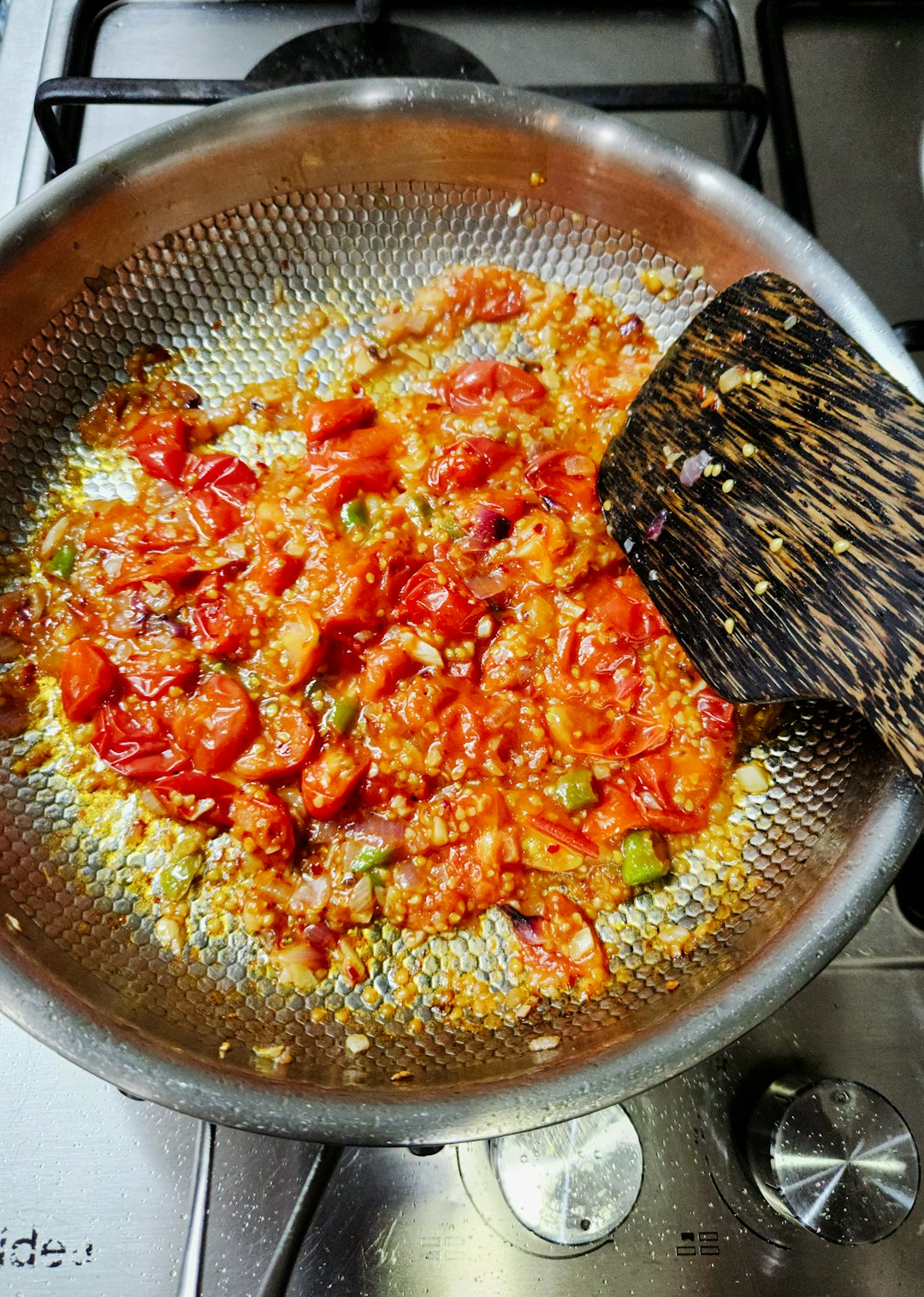
Cooking techniques also play a role. Don't just throw everything in a pot and hope for the best. Start by sautéing onions and garlic in olive oil, then add the tomatoes. Cook them down slowly on a low heat. This approach evaporates excess water gradually, concentrating the flavors without burning or sticking.
A common mistake is rushing the process. High heat might seem like a fast track to thick sauce, but it risks uneven cooking and can scorch the bottom, ruining the entire batch. Patience is key. If you don't manage the water content, you end up with a thin, soupy sauce that lacks depth and richness. And nobody wants that.